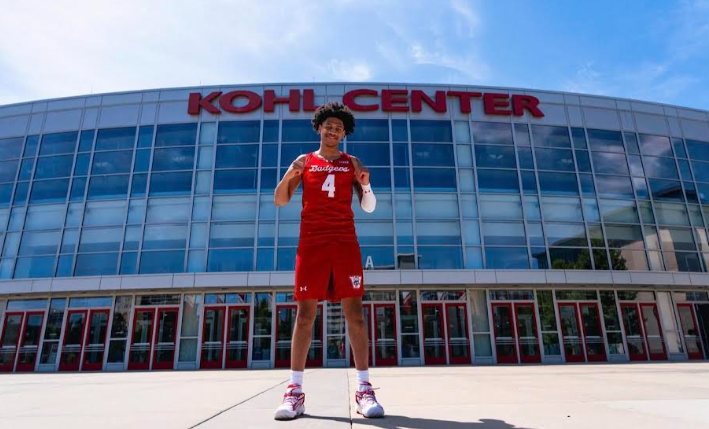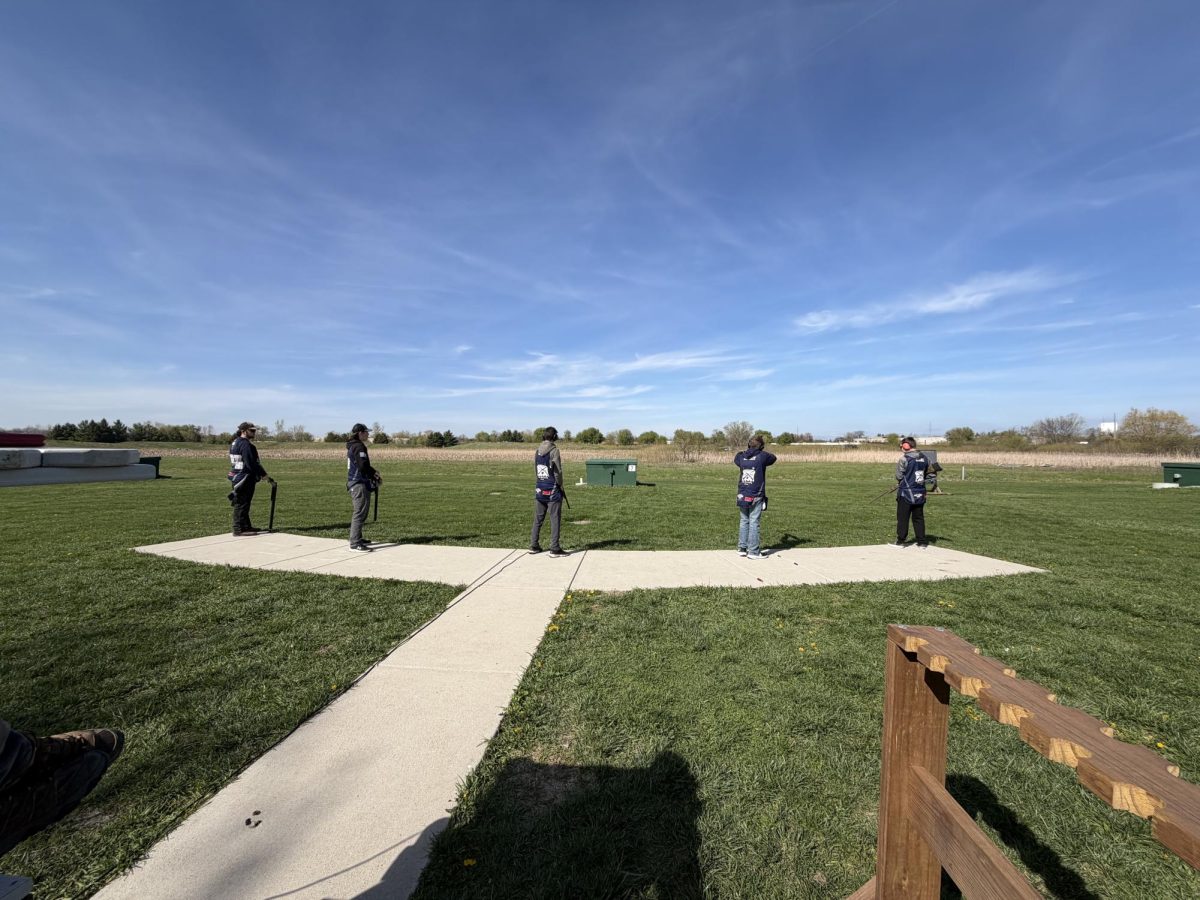


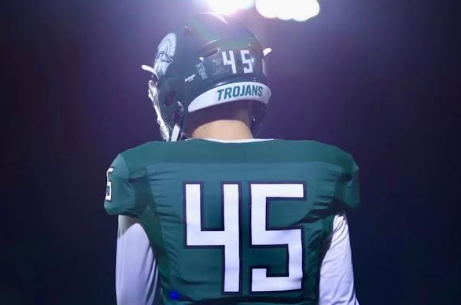
Under the stadium lights of Friday night games and the glow of late-night homework sessions, student athletes live two demanding lives at once. They are expected to give their physical best on nights and weekends, all while keeping up with grades, deadlines, and exams. Their worth gets measured by a scoreboard one day and a report card the next. But behind every game-winning play or hard-earned grade lies a deeper story: one shaped by opportunity, pressure, and perseverance, revealing just how much student athletes carry. As sports continue to play a bigger role in students’ lives, one question becomes harder to ignore: is there a hidden cost to constantly chasing greatness?
More Than Sport

“Being on a team really helps you create close bonds with your friends and teammates,” says freshman Ellie Dietz. She has just completed her first year on the Trojan Dance Team. She believes that sports provide more than just a two hour practice- and she is not the only one. A University of Kansas study found that athletes had higher attendance rates, graduation rates, and assessment scores, along with lower dropout rates than nonathletes. Sports also build skills that directly correlate to the classroom. Studies have linked athletic participation to improved loyalty, self-efficacy, and self-discipline, all traits connected to stronger academic performance.
The structure of athletics plays a role as well. Balancing practice, homework, and rest can help students build habits, such as discipline, responsibility, and consistency. Additionally, the physical activity itself is not just good for the body, but regular exercise can sharpen focus and memory while reducing stress, especially during high-pressure times like midterms and finals.
For Dietz and thousands of athletes like her, the takeaway is clear: sports are more than just competing, they are where you grow.
The Weight of Expectations

Although being a student athlete comes with many rewards, for many, it also comes with a hidden cost.
“I was falling asleep in classes because my schedule was school, football, soccer, and then homework,” says junior and three-sport athlete William Kell. When fans watch student athletes compete, they are only seeing pieces of a puzzle: the strength, the motivation, and the confidence. What they do not see are the late nights, the grueling practices, and the dreaded post-practice study sessions that follow. “Your brain never gets a chance to rest, and this repeats every day,” Kell explains.
That pressure comes from all directions. Parents push for good grades, coaches expect commitment, and teammates count on reliability. For athletes hoping to compete at the collegiate level, every performance becomes an audition.
The numbers reflect this strain. A NCAA survey of 23,000 student athletes found that most reported feeling overwhelmed, anxious, and exhausted, even as mental health trends have generally improved since the Covid-19 pandemic. The issue is also compounded by a culture that glorifies toughness at all costs. Athletes are taught to push through pain and never quit, and those who do step back often face adversity rather than support.
This culture makes it especially hard for athletes to admit when they are struggling. According to the National Institutes of Health (NIH), only about half of athletes facing mental health challenges ever seek treatment. “Athletes often feel like they’re alone, so they don’t want to open up and share because it feels like everybody else isn’t this way,” says Anne Shaw, coach of the Trojan Dance Team. “In reality, people in the room are experiencing a similar thing, if not the same as you.”
As a result, far too many student athletes choose to suffer in silence.
When Injuries Affect More Than the Body
Approximately 91% of student athletes will experience some type of physical injuries, whether that be a concussion, stress fracture, or torn muscle (NIH). However, they are often discussed in terms of physical recovery, and the psychological effects are left unaddressed.
Any type of injury can remove an athlete from a sport that has become part of their daily lives. Suddenly, routines disappear. Goals are set back. Connections with teammates are weakened. And for many student athletes, an injury causes further feelings of isolation and uncertainty. Studies show that sport-related injuries resulting in time away from competition can have profound negative effects on mental health, potentially triggering depression, anxiety, substance misuse, or disordered eating.

“Having to take time off from a sport that is such a huge part of my life was difficult,” explains junior Emma Seneker. She is an equestrian who was recently forced to take time off due to a car accident. “[My sport] is such an escape from everyday stressors and not having that outlet is hard to deal with.”
This is not just anecdotal: Injured athletes consistently report higher levels of depressive symptoms and generalized anxiety compared to their healthy teammates, often driven by the loss of competition, uncertainty about returning to play, and fear of being reinjured (NIH).
“Injuries can be really frustrating for people, particularly athletes who want to always function at their absolute peak and do everything to the best of their ability” says Coach Shaw. “When you are injured and have to sit down, you’re suddenly faced with challenges that […] you’re probably not used to, and it can really mess with your head.”
What makes these struggles especially difficult is that they are often invisible. An injured athlete will eventually come off crutches, but the emotional recovery can take much longer.
Is West Doing Enough?

Between state championships, intense local rivalries, and training programs like S.A.S., it is no secret that Tosa West has a highly competitive sports culture. With that competitiveness however, comes an equally important responsibility: ensuring athletes have a strong support system to fall back on.
But not everyone agrees on whether that support already exists.
“[Mental health] is something that is never really brought up at sports practices. Athletes are told where they can go for physical injuries, but they are not told what to do if their sports cause mental stress,” says junior Eli Peik, a member of the men’s tennis team. “We should be more upfront about this issue, and let student athletes know that there is a place they can go if they feel this way.”
Other athletes, like junior and basketball player Vivian Bauer, see it differently. “I think Tosa West does everything they can to help athletes who struggle with mental health. Our staff and coaches make sure that our athletes are heard and can express themselves, making it a safe space for everyone. They are doing everything they can to ensure our athletes’ mental health comes before any sport, no matter the severity.”
Whichever perspective rings true, some resources do exist. Students can reach out to school social worker Ms. Perkins, or mental health specialist Ms. Labonte, for support.
Ultimately, both perspectives point to the same truth: mental health is just as much a part of athletic performance as physical health, and it deserves to be treated that way. Whether the conversation needs to start, or simply louden, one thing is clear: No athlete should have to face these struggles alone.
Breaking the Stigma
Fortunately, conversations surrounding athlete mental health are becoming more common. Backed by professional athletes such as Simone Biles and Noah Lyles, there has been a shift in how the mental health of student athletes is discussed.
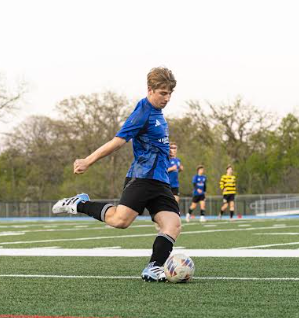
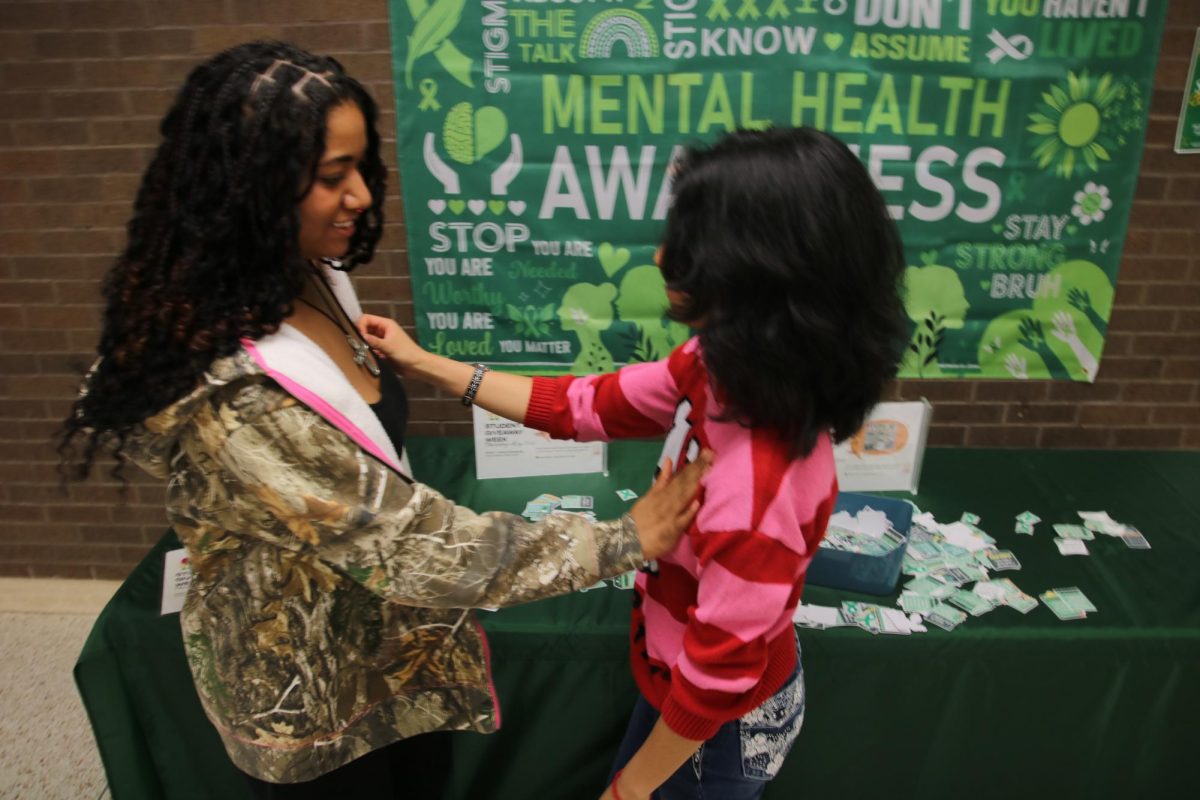
According to CBS News, colleges and athletic organizations across the country are increasing their focus on mental health resources following growing concerns about anxiety and depression among student athletes. Schools are investing more than ever in counselors, sports psychologists, and wellness programs to better support athletes past physical performance. Peer support programs, such as Morgan’s Message, have also become a vital part of this shift, encouraging student athletes to open up about their mental health and normalize seeking help.
The growing awareness is having a real impact: A recent NCAA well-being survey has proven that more than 80% of student athletes now report feeling positive about the support they receive from coaches and schools during difficult times. “My coaches have been a great support,” agrees Kell. “They understand the stress of high school and are always looking out for me and my teammates.”
A Healthier Future
Improving mental health among student athletes is not a one person job- it requires effort from everyone involved.

Parents can encourage a healthy balance and emphasize personal growth over awards. Coaches can foster supportive team cultures that value well-being over performance. Schools can provide accessible counseling and mental health education. Athletes themselves can practice prioritizing rest, building a good support system, and recognizing when they need support.
At its core, mental health can, and should, be viewed the same as physical health. Just as athletes seek treatment for a broken bone or sprain, they should be comfortable seeking help or anxiety and burnout.
“Find a couple people on your team that you trust and talk to them,” suggests Coach Shaw. “We don’t want to wait until something gets to be a huge problem. It is much harder to chop down a tree than it is to just pull a weed.”
Small steps now, such as a conversation, a check-in, or a moment of rest, can prevent much bigger struggles down the road. The goal is not to eliminate the pressure from sports entirely, but to make sure no athlete feels like they have to carry it alone.
Behind the Scoreboard
The truth behind student athletes is not measured in wins and losses. It is found in lessons learned through adversity, the friendships formed in teamwork, and the motivation to move past challenges.
Behind every jersey number is a student balancing academics, expectations, relationships, and goals. Additionally, as participation in youth and collegiate sports increase, society needs to recognize that supporting athletes means caring for their mental health the same as their physical health.
The most important victories are not always won under stadium lights. Sometimes, they happen quietly- when an athlete asks for help, when a coach chooses compassion instead of criticism, or when a community decides that mental health matters too.
Those are the victories that last a lifetime, beyond the game.